Free Shipping on Orders Over $99*

Sale!
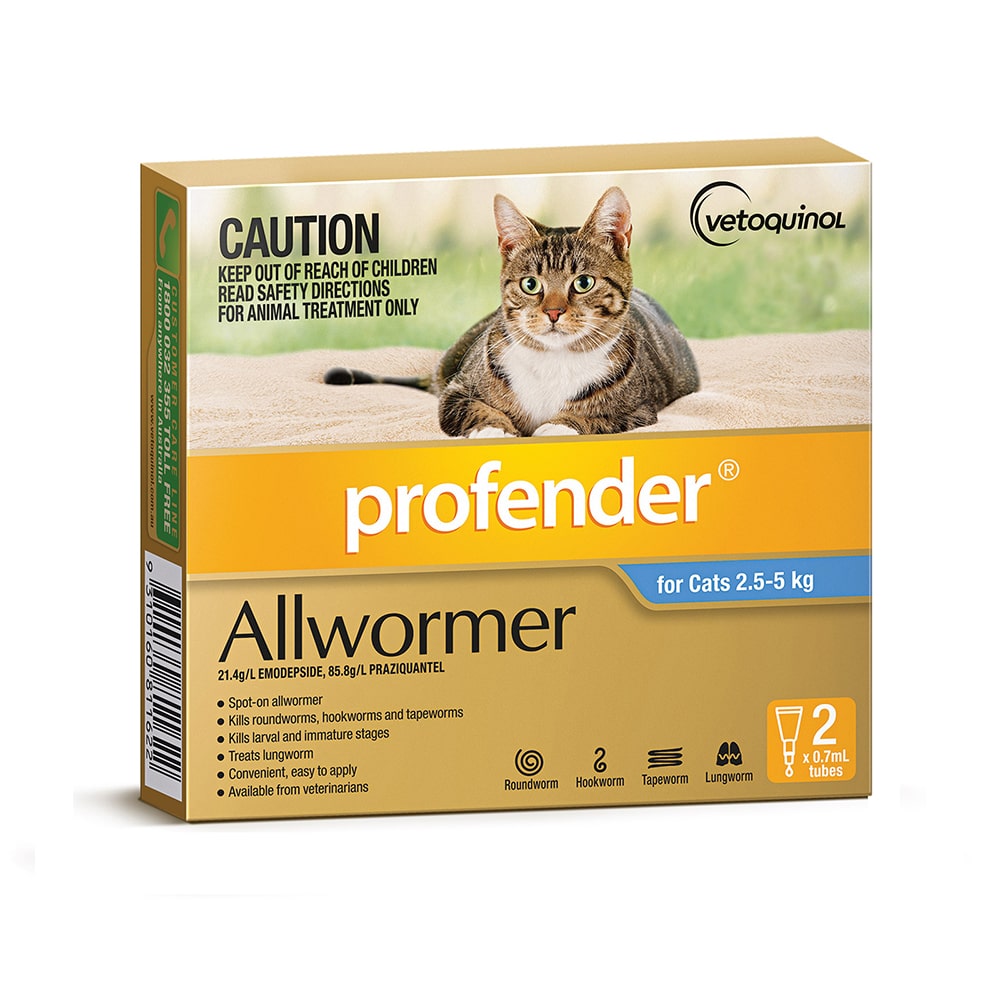
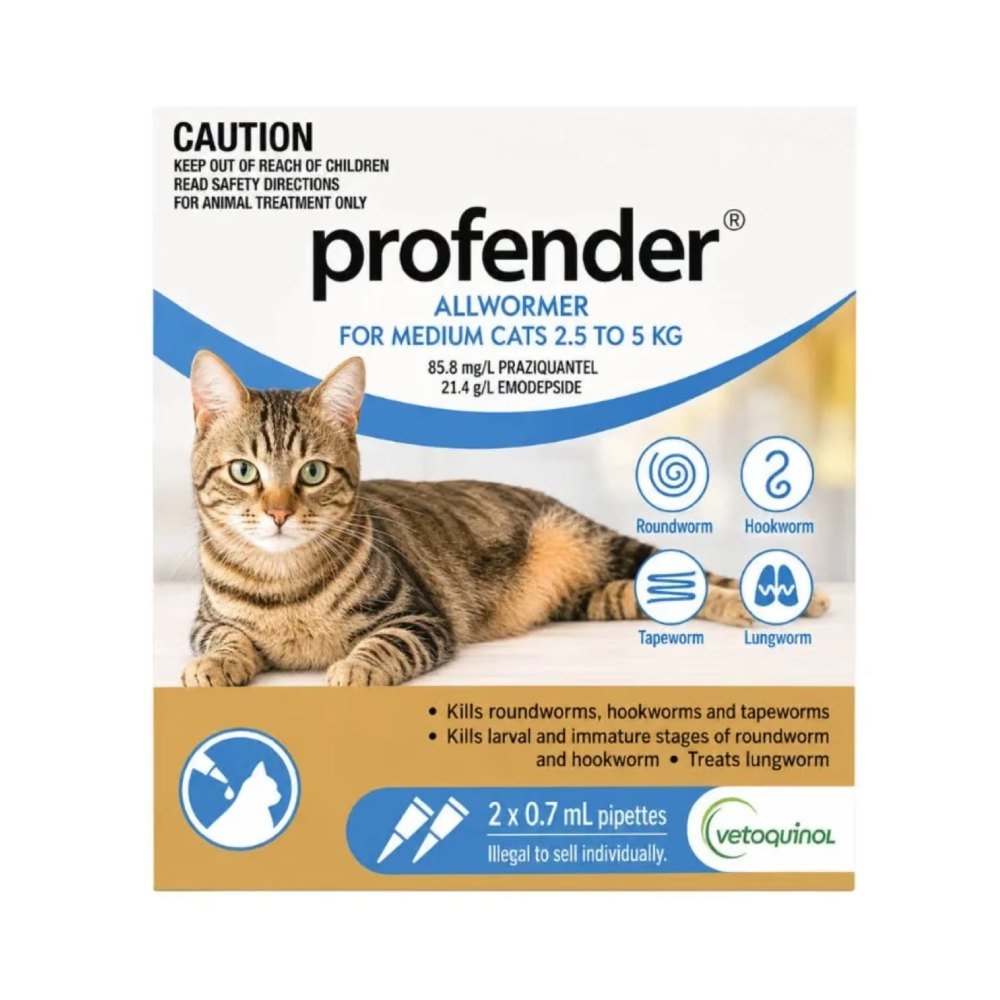
Profender Spot-On For Cats 5.5-11 lbs (2.5-5 kg)

💊
NO PRESCRIPTION NEEDED
Safe Over-The-Counter Product
AU
BASED IN AUSTRALIA
Tracked Delivery 7-14 Days
💰
MONEY BACK GUARANTEE
No questions asked, return within 30 days
🛡️
GENUINE BRANDED PRODUCT
Guaranteed original, factory sealed for safety
Choose based on your cat's weight
Description
Profender Spot-On For Cats 5.5-11 lbs (2.5-5 kg) is a single-dose spot-on dewormer for cats addressing hookworm, roundworm, and tapeworm infections in a single application. The formulation contains 15 mg emodepside, a cyclic depsipeptide acting against nematodes, combined with 60 mg praziquantel, an isoquinoline cestocide targeting tapeworms.
Recommended for
Cats and kittens weighing 5.5–11 lbs (2.5–5 kg) from 8 weeks of age.
Indication/Coverage
For cats suffering from, or at risk from, mixed intestinal worm infections, Profender Spot-On For Cats 5.5–11 lbs addresses the following parasitic conditions:
- Hookworm treatment: Eliminates Ancylostoma tubaeforme adults, immature adults, and fourth-stage larvae (L4) via topical absorption and systemic distribution.
- Roundworm treatment: Clears Toxocara cati infections across adult, immature adult, and fourth-stage larval (L4) stages.
- Tapeworm treatment: Eradicates Dipylidium caninum adults and Taenia taeniaeformis adults through the cestocidal action of praziquantel.
Key Benefits
Profender Spot-On For Cats 5.5–11 lbs delivers the following clinically documented actions:
- Age-appropriate dosing: Formulated for cats from 8 weeks of age weighing a minimum of 2.5 kg, covering the full 5.5–11 lbs weight band with the medium-size pipette containing 0.70 mL solution.
- Dual active ingredients: Emodepside (a cyclic depsipeptide) and praziquantel (an isoquinoline cestocide) address both nematode and cestode infections within a single application, removing the need for separate product types.
- Topical administration: Delivered directly to the skin at the base of the neck, bypassing oral dosing entirely. Cats that resist tablets or oral suspensions can be treated without stress-inducing handling.
- Broad larval coverage: Emodepside acts against immature adults and L4 larvae of Toxocara cati and Ancylostoma tubaeforme, not only adult worms, reducing the risk of re-establishment from developing stages.
- Single-dose efficacy: One application is effective, and a second treatment is not ordinarily required. Re-treatment is appropriate only if re-infection occurs after 30 days.
- Systemic distribution from skin contact: Following topical application, emodepside is absorbed transdermally and distributed systemically, reaching gastrointestinal parasites without oral ingestion.
- Established safety profile in multi-drug households: Field study data confirms safety in cats concurrently receiving analgesics, anti-fungals, NSAIDs, anthelmintics, antimicrobials, flea and tick products, sedatives, anesthetics, cardiac medications, anxiolytics, hormonal treatments, steroids, and otic and ophthalmic preparations.
Caution
Hazards to Humans
Keep out of reach of children. Avoid skin, eye, and clothing contact. Wash hands thoroughly with soap and warm water after handling. Children should not contact the application site for 24 hours following dosing. If accidental ingestion or eye exposure occurs, flush with water and contact a poison control center or physician.
Hazards to Domestic Animals
For external (dermal) use only. Do not apply to cats under 8 weeks of age or weighing less than 2.2 lbs (1 kg). Cats used for breeding, during pregnancy, or in lactation should receive this product with veterinary guidance, as safety in these groups has not been established. Do not use in sick or debilitated animals without prior veterinary assessment. Oral ingestion or environmental exposure should be avoided. The safety profile in heartworm-positive cats has not been evaluated; consult a veterinarian before administering to such animals.
Possible Side Effects
Monitor your cat closely in the hours following application. The adverse reactions listed below were reported in field and post-approval settings; all field study reactions were self-limiting.
Dermal reactions: Licking/excessive grooming (3.0%), scratching at the application site (2.5%), and hair loss, dermatitis, pyoderma, edema, or erythema at the site have been observed.
Gastrointestinal signs: Salivation, lethargy, vomiting, and diarrhea have each been recorded at low frequency in field study data.
Systemic signs: Ataxia, hypersalivation, fever, hyperactivity, nervousness, mydriasis, twitching, and in rare post-approval cases, seizures and paresis have been reported to the FDA CVM. In isolated post-approval cases, death has been listed as an outcome. A complete listing of adverse reactions is maintained at fda.gov/reportanimalae.
Direction
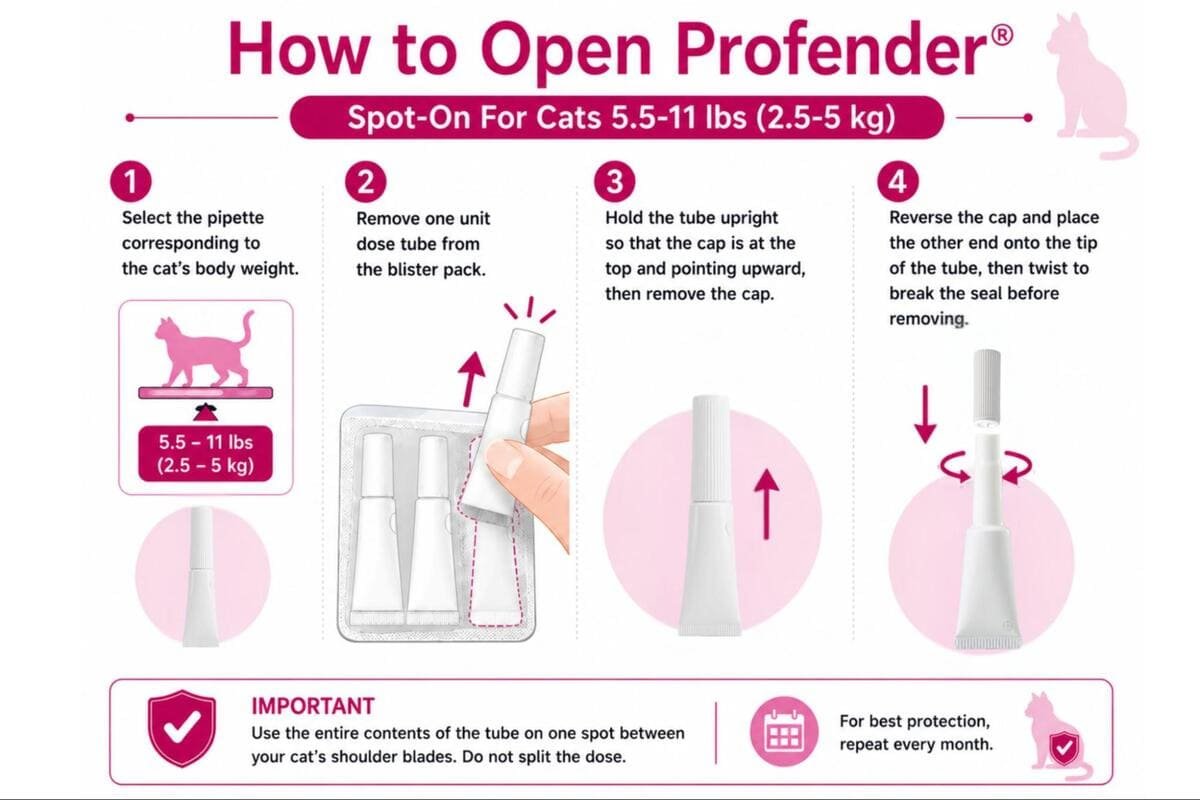
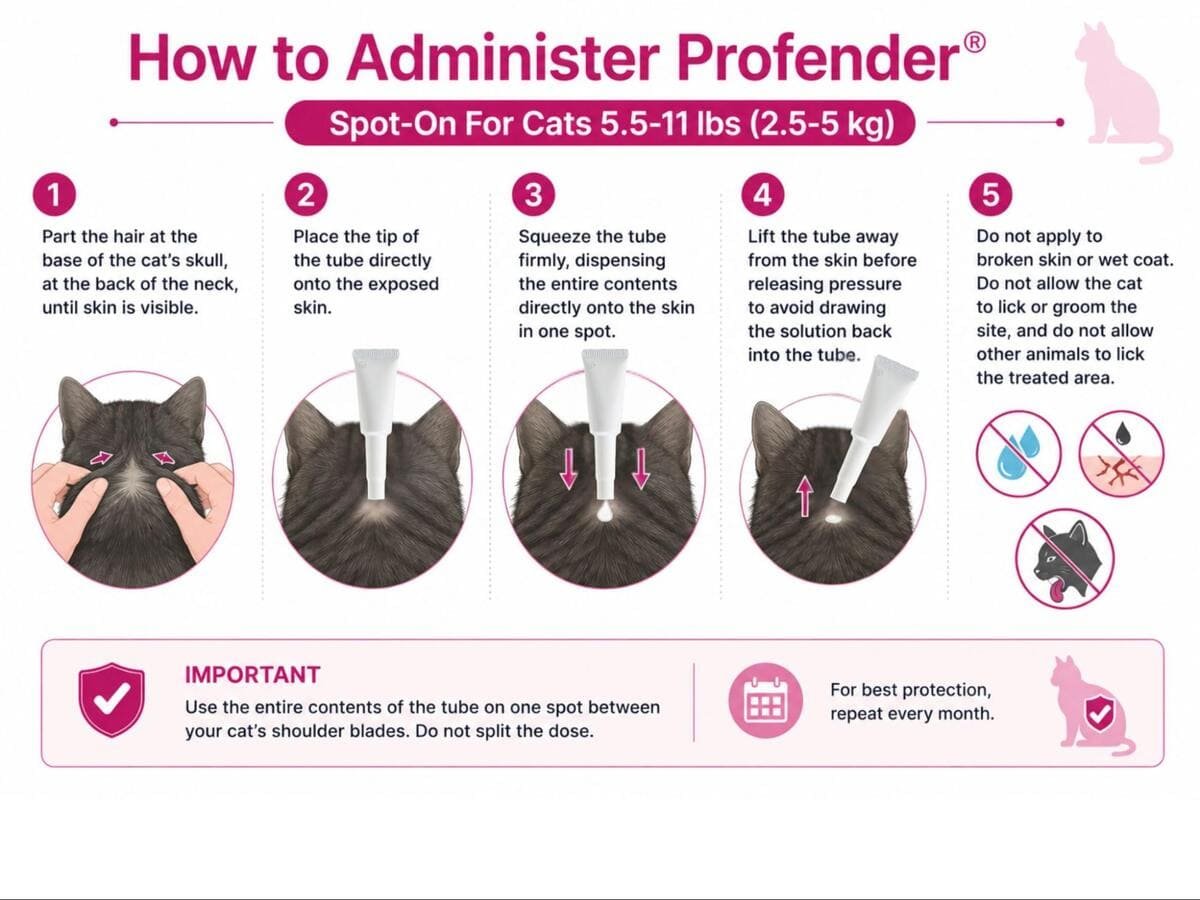
Profender Spot-On For Cats 5.5-11 lbs (2.5-5 kg) is applied topically to the skin at the base of the skull at the back of the neck. Separate the fur until the skin is visible, then apply the entire contents of the pipette directly onto the skin. Prevent the cat from licking the treated area until it has dried. If you have multiple pets, keep them apart after treatment to stop them from grooming or licking each other.How to Open
- Select the pipette corresponding to the cat's body weight
- Remove one unit dose tube from the packaging.
- Hold the tube upright so that the cap is at the top and pointing upward, then remove the cap.
- Reverse the cap and place the other end onto the tip of the tube, then twist to break the seal before removing.
How to Administer
- Part the hair at the base of the cat's skull, at the back of the neck, until skin is visible.
- Place the tip of the tube directly onto the exposed skin.
- Squeeze the tube firmly, dispensing the entire contents directly onto the skin in one spot.
- Lift the tube away from the skin before releasing pressure to avoid drawing the solution back into the tube.
- Do not apply to broken skin or wet coat. Do not allow the cat to lick or groom the site, and do not allow other animals to lick the treated area.
Storage
Keep out of reach of children. Store below 30°C (86°F). Do not use after the expiry date printed on the packaging; the expiry date refers to the last day of the stated month.Tips for Using
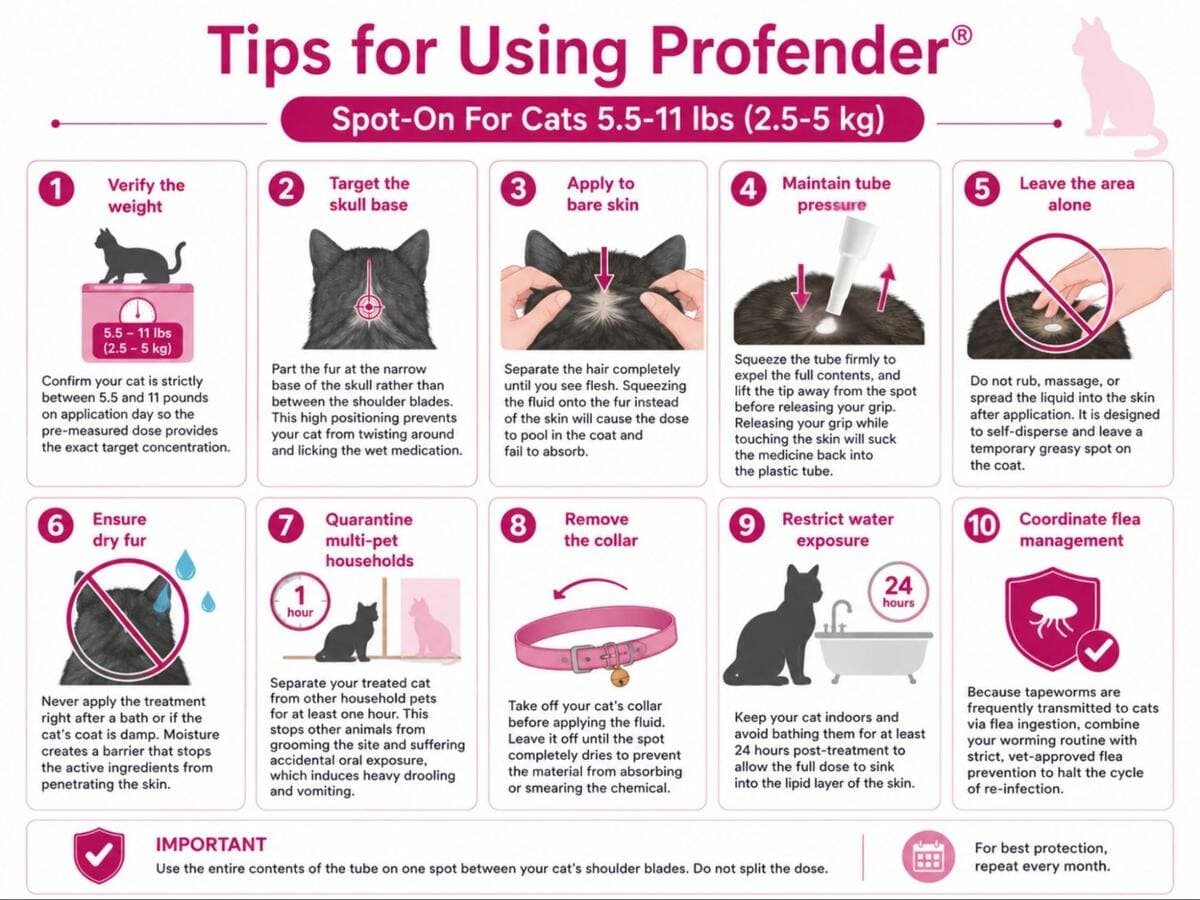
The following practical points reduce dosing errors and improve absorption outcomes for Profender Spot-On For Cats 5.5–11 lbs.- Verify the weight: Confirm your cat is strictly between 5.5 and 11 pounds on application day so the pre-measured dose provides the exact target concentration.
- Target the skull base: Part the fur at the narrow base of the skull rather than between the shoulder blades. This high positioning prevents your cat from twisting around and licking the wet medication.
- Apply to bare skin: Separate the hair completely until you see flesh. Squeezing the fluid onto the fur instead of the skin will cause the dose to pool in the coat and fail to absorb.
- Maintain tube pressure: Squeeze the tube firmly to expel the full contents, and lift the tip away from the spot before releasing your grip. Releasing your grip while touching the skin will suck the medicine back into the plastic tube.
- Leave the area alone: Do not rub, massage, or spread the liquid into the skin after application. It is designed to self-disperse and leave a temporary greasy spot on the coat.
- Ensure dry fur: Never apply the treatment right after a bath or if the cat's coat is damp. Moisture creates a barrier that stops the active ingredients from penetrating the skin.
- Quarantine multi-pet households: Separate your treated cat from other household pets for at least one hour. This stops other animals from grooming the site and suffering accidental oral exposure, which induces heavy drooling and vomiting.
- Remove the collar: Take off your cat's collar before applying the fluid. Leave it off until the spot completely dries to prevent the material from absorbing or smearing the chemical.
- Restrict water exposure: Keep your cat indoors and avoid bathing them for at least 24 hours post-treatment to allow the full dose to sink into the lipid layer of the skin.
- Coordinate flea management: Because tapeworms are frequently transmitted to cats via flea ingestion, combine your worming routine with strict, vet-approved flea prevention to halt the cycle of re-infection.
| Product Name | Profender Topical Solution (emodepside/praziquantel) Spot-On For Cats 5.5–11 lbs |
|---|---|
| Target Weight | 5.5 – 11 lbs (2.5 – 5 kg) |
| Pipette Volume | 0.70 mL |
| Active Ingredients | Emodepside: 15 mg, Praziquantel: 60 mg |
| Application Type | Topical spot-on solution applied directly to the skin |
| Appearance | Clear yellow ready-to-use solution |
| Administration Route | For external (dermal) use only |
| Pack Sizes Available | Single-dose pipette (individual units; multi-pack availability subject to region) |
| Treatment Frequency | Single dose effective; re-treatment no sooner than 30 days if re-infection occurs |
| Effective Against | – Hookworm: Ancylostoma tubaeforme (adults, immature adults, L4 larvae) |
| Storage | Below 30°C (86°F) |
FAQs
1. My cat weighs exactly 5.5 lbs, is the medium Profender pipette the right size?
The medium pipette (15 mg emodepside / 60 mg praziquantel, 0.70 mL) is labeled for cats weighing 5.5–11 lbs. Weigh on the day of dosing to confirm the correct size. Cats exceeding 11 lbs should transition to Profender Spot-On For Cats 11–17.6 lbs (5–8 kg).
2. Is the emodepside dose in the 5.5–11 lbs pipette safe for a cat at the lower end of this range?
Emodepside at 15 mg in the medium pipette corresponds to 1.36 mg/lb for an 11 lbs cat, which aligns with the labeled minimum dose of 1.36 mg/lb emodepside. For a 5.5 lbs cat at the lower boundary, this delivers approximately 2.73 mg/lb, which remains within the labeled dose range without exceeding safe parameters established in Elanco’s field and laboratory studies. If the cat is sick, debilitated, or under 8 weeks of age, consult a veterinarian before administering.
3. My cat just crossed from the 2.2–5.5 lbs range into the 5.5–11 lbs range. Should I switch immediately?
Transition to the medium pipette as soon as the cat’s body weight reaches or exceeds 5.5 lbs on the treatment day. Administering the small pipette to a cat above 2.5 kg results in underdosing, which reduces efficacy against all three worm classes. Confirm the current weight before each dose and select the corresponding pipette accordingly.
4. What should I do if I miss a monthly re-treatment dose of Profender for Cats 5.5–11 lbs?
Profender is a single-dose treatment, not a monthly preventive. Re-dosing is indicated only if re-infection occurs, and not sooner than 30 days after the preceding application. If you suspect re-infection based on observable signs, such as visible worm segments or gastrointestinal disturbance, consult a veterinarian to confirm before re-treating.
5. Can I apply Profender 5.5–11 lbs immediately after bathing my cat?
No. Applying to a wet coat impairs transdermal absorption of emodepside. Postpone application until the coat is completely dry. Similarly, avoid bathing the cat for at least 24 hours following application to allow adequate absorption of both active ingredients through the skin.
6. My cat weighs 10.8 lbs and groomed the application site immediately after dosing. Is the dose still effective?
Licking the application site after dosing reduces the amount absorbed transdermally. Post-approval reports include salivation and vomiting following oral exposure to the product. If significant licking occurred, the full labeled dose may not have been delivered. Consult a veterinarian before deciding whether re-dosing is appropriate. Do not re-administer within 30 days without veterinary guidance.
7. Does Profender Spot-On For Cats 5.5–11 lbs treat heartworm?
No. Profender contains emodepside and praziquantel, which act against gastrointestinal nematodes and cestodes. Neither active ingredient is labeled for heartworm (Dirofilaria immitis) prevention or treatment. Cats in heartworm-endemic regions require a separate heartworm-specific product. Additionally, safety in heartworm-positive cats has not been established; consult a veterinarian before combining Profender with any heartworm program.
8. Can Profender 5.5–11 lbs be used in a pregnant or nursing cat in this weight range?
Safety in cats used for breeding, during pregnancy, or in lactation has not been evaluated in the studies supporting this label. Use in these animals should proceed only under veterinary supervision.
9. How soon after application can other cats in the household have contact with the treated cat?
Other animals should be kept separate from the treated cat until the application site is dry. Physical contact before drying raises the risk of secondary oral exposure through grooming, which can cause salivation, lethargy, or vomiting in the animal that ingests the residue.
10. Is Profender available without a prescription for cats in the 5.5–11 lbs range in the U.S.?
Under U.S. FDA regulation, Profender is classified as a prescription product. Through Anipetshop, an APVMA-licensed pharmacy operating under Australian regulatory standards, the product is dispensed without a prescription requirement. The formulation, active ingredient concentrations, and dosage standards are identical to those approved in other markets.
Add a review
 Profender Spot-On For Cats 5.5-11 lbs (2.5-5 kg)
Your review
* Review is required
Name
* Name is required
Email
* Email is required
Add photos or video to your review
Related Products
Price range: US$57.50 through US$107.50
This product has multiple variants. The options may be chosen on the product page

Price range: US$95.80 through US$96.98
This product has multiple variants. The options may be chosen on the product page
Sale!
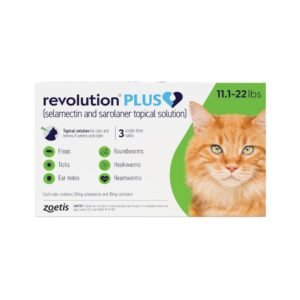
Price range: US$68.00 through US$213.50
This product has multiple variants. The options may be chosen on the product page
Sale!
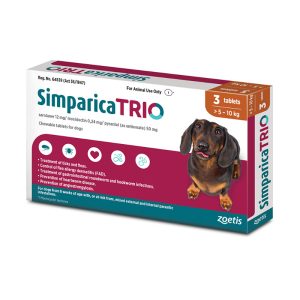
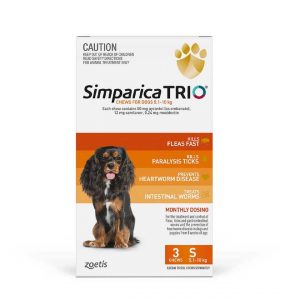
Price range: US$73.70 through US$239.77
This product has multiple variants. The options may be chosen on the product page
Sale!
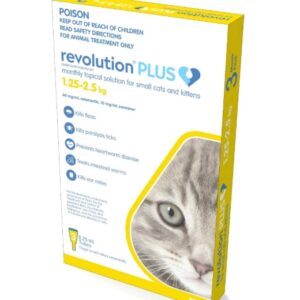
Price range: US$59.00 through US$200.00
This product has multiple variants. The options may be chosen on the product page
Sale!

Price range: US$58.64 through US$98.92
This product has multiple variants. The options may be chosen on the product page
Price range: US$58.64 through US$105.92
This product has multiple variants. The options may be chosen on the product page
Price range: US$52.00 through US$182.00
This product has multiple variants. The options may be chosen on the product page
Reviews
There are no reviews yet