
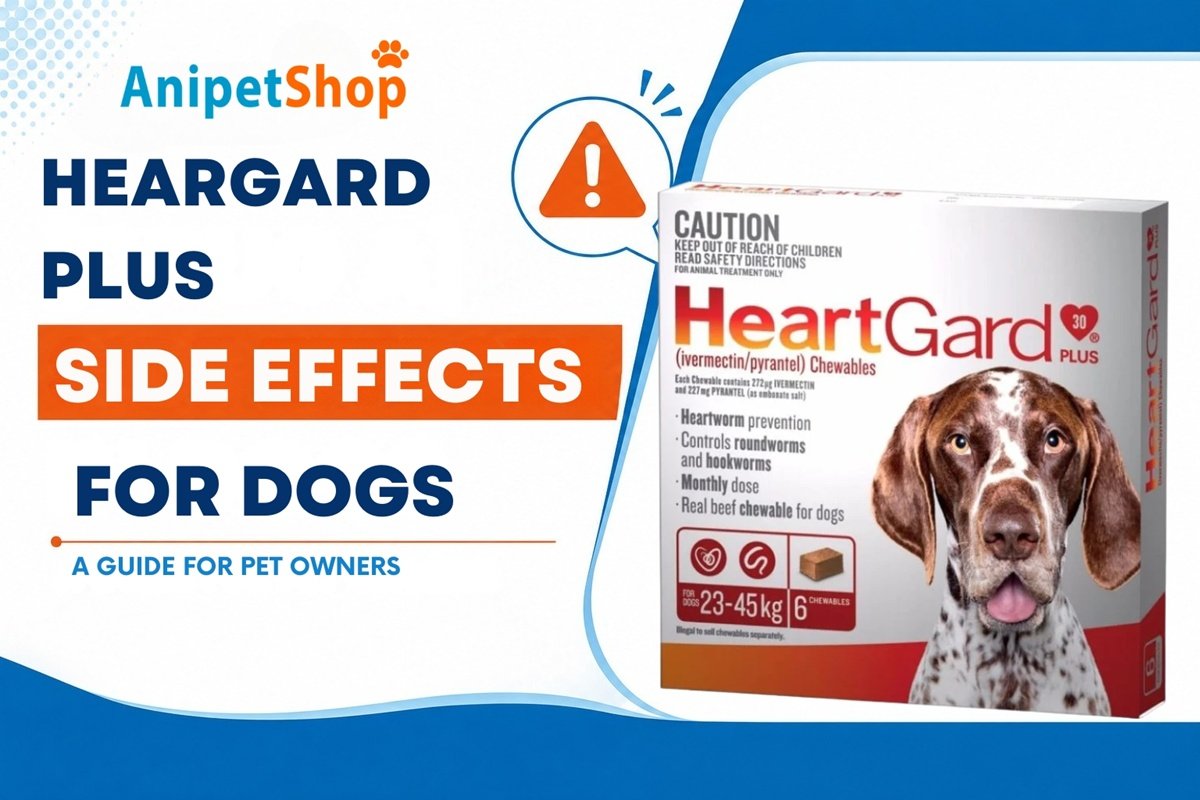
Heartgard Plus Side Effects in Dogs: A Guide for Pet Owners
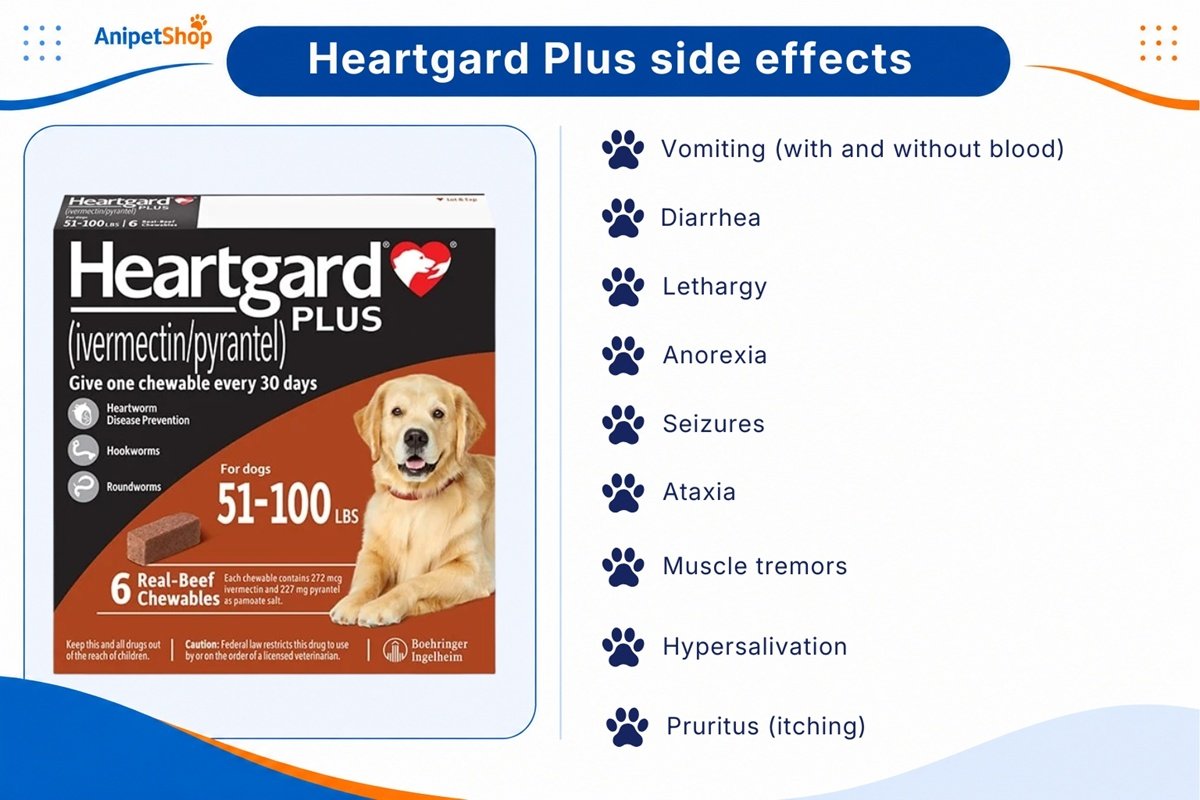
Vomiting or diarrhea within 24 hours of dosing was observed in 1.1% of administered Heartgard Plus doses during clinical field trials. In post-approval adverse event reports, vomiting, diarrhea, lethargy, and anorexia were among the most frequently reported reactions, while neurological signs such as seizures, ataxia, and muscle tremors were also reported.
Heartgard Plus contains ivermectin and pyrantel and is used to prevent canine heartworm disease and treat and control certain roundworms and hookworms. Most dogs tolerate the medication when it is used as directed, but pet owners should know which reactions may be mild, which signs require veterinary attention, and which dogs may need extra caution.
This guide walks through what’s common, what’s serious, who’s at higher risk, and exactly when to pick up the phone.
What side effects can Heartgard Plus cause in dogs?
Vomiting and diarrhea are the adverse reactions specifically observed in Heartgard Plus clinical field trials. Within 24 hours of dosing, vomiting or diarrhea was reported in 1.1% of administered doses.
The product’s post-approval adverse event reports also list several other reactions. These reports are listed in decreasing order of reporting frequency, but they do not provide a reliable percentage for how often each reaction occurs or establish that every reported event was caused by Heartgard Plus.
|
Reported Adverse Event |
Information Available in the Product Label |
| Vomiting | Observed in clinical trials and post-approval reports |
| Diarrhea | Observed in clinical trials and post-approval reports |
| Lethargy | Reported during post-approval experience |
| Anorexia | Reported during post-approval experience |
| Seizures | Reported during post-approval experience |
| Ataxia | Reported during post-approval experience |
| Muscle tremors | Reported during post-approval experience |
| Hypersalivation | Reported during post-approval experience |
| Pruritus (itching) | Reported during post-approval experience |
The most useful signs to watch for at home include:
- Vomiting: Your dog may bring up food or stomach contents after receiving the chew.
- Diarrhea: Loose or frequent stools may occur, particularly shortly after dosing.
- Lethargy: Your dog may seem unusually tired or less active than normal.
- Decreased appetite or anorexia: Your dog may show little interest in food or refuse to eat.
These reactions may be mild, but persistent or worsening symptoms should be discussed with your veterinarian.
Which side effects of Heartgard Plus are considered serious?
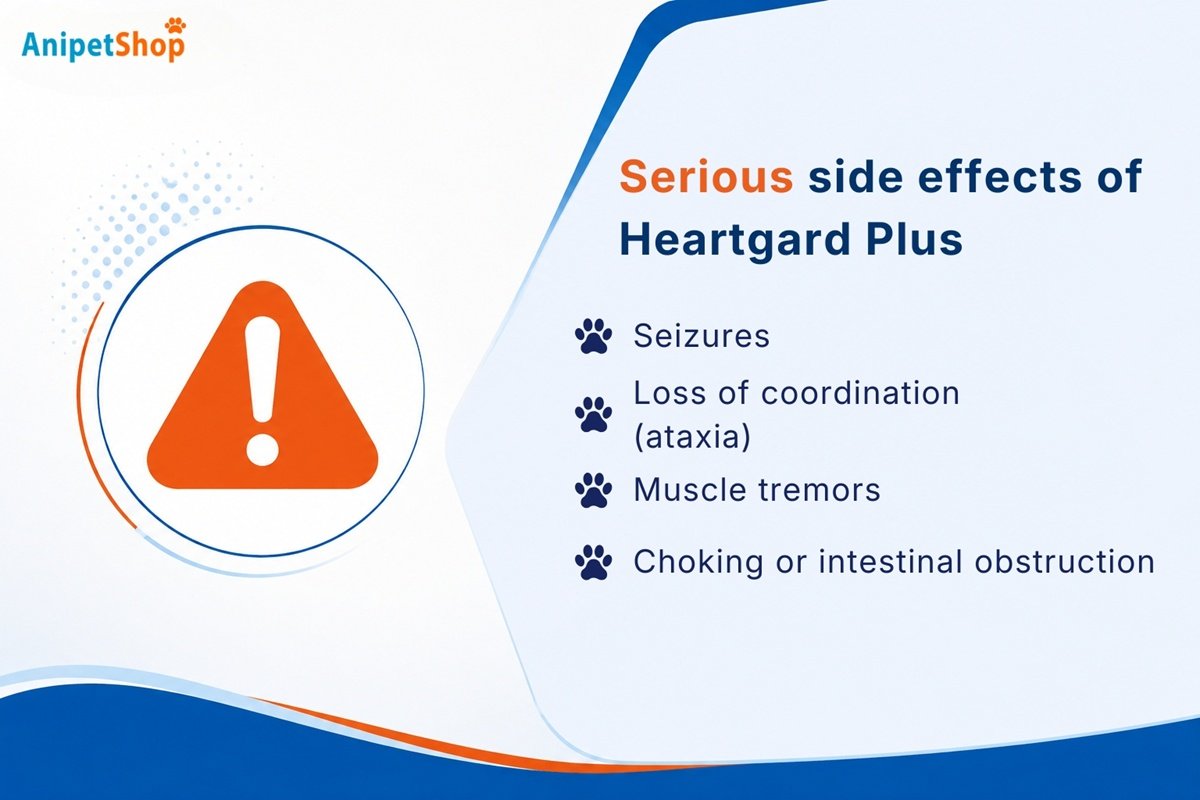
Serious reported reactions include seizures, loss of coordination (ataxia), muscle tremors, and, in some cases, choking or intestinal obstruction after administration.
Here are some signs to watch for:
- Loss of coordination (ataxia): Your dog may wobble, stagger, or have difficulty walking normally.
- Muscle tremors: Your dog may shake or twitch unexpectedly.
- Seizures: Your dog may suddenly shake, stiffen, collapse, or lose control of its body.
- Choking or intestinal obstruction: The product label reports that these events have occurred after administration. Dogs that tend to swallow treats whole may need extra attention to make sure the chew is properly chewed.
These reactions are not given a frequency in the product information, but neurological signs and breathing or swallowing problems should be taken seriously.
What rare reported side effects should dog owners be aware of?
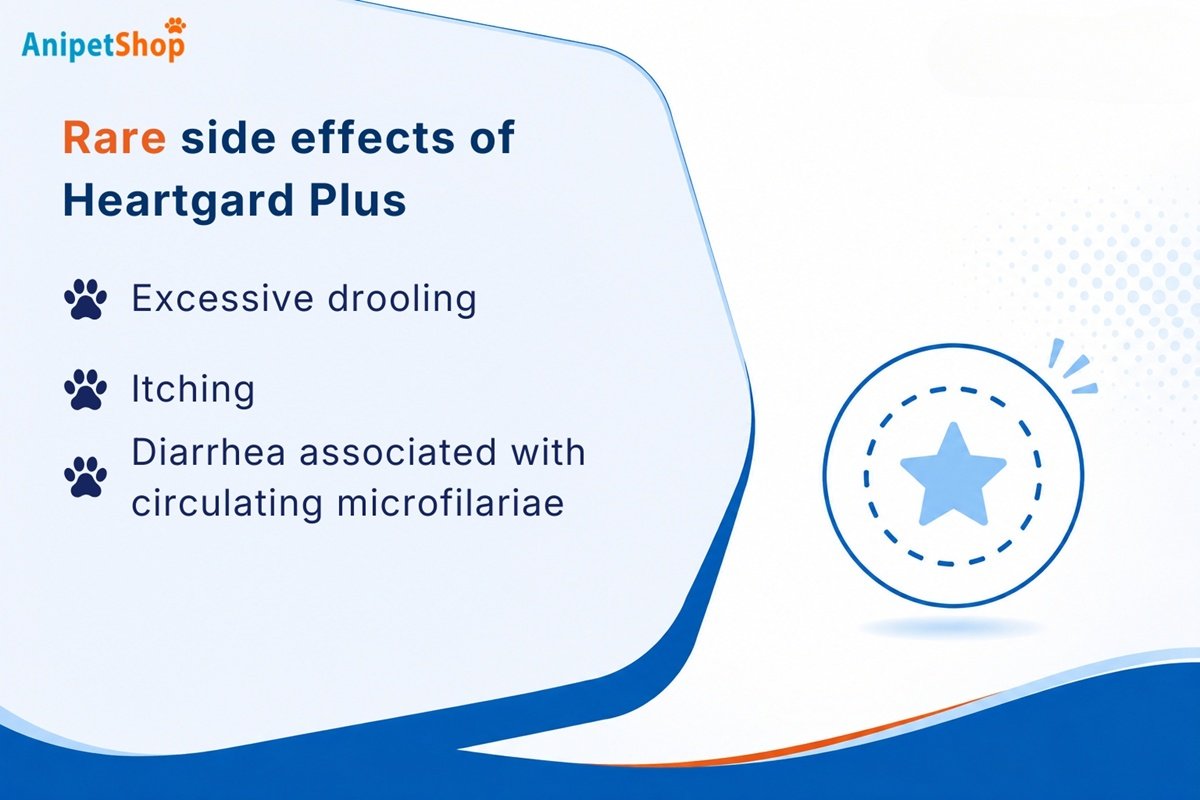
Post-approval reports also include hypersalivation and pruritus, or itching. Because post-approval adverse event reporting is voluntary and incomplete, the product label states that it is not always possible to reliably estimate how often these reactions occur or determine whether Heartgard Plus directly caused them.
Some signs to watch for include:
- Excessive drooling: Your dog may produce noticeably more saliva than usual.
- Itching: Your dog may scratch, lick, or bite at its skin more frequently.
- Diarrhea associated with circulating microfilariae: A mild hypersensitivity-type reaction, particularly involving temporary diarrhea, has been observed in clinical trials with ivermectin alone after treatment of some dogs with circulating microfilariae.
Heartgard Plus is not effective against adult heartworms, which is why the label recommends testing dogs for existing heartworm infection before starting treatment.
Which dogs may have a higher risk of side effects?
Certain dogs may need extra attention, particularly dogs with known sensitivity to ivermectin at elevated doses and dogs that tend to swallow treats without chewing.
The product information specifically notes that some dogs of the Collie breed are more sensitive to the effects of ivermectin when it is administered at elevated dose levels of more than 16 times the target use level. At those elevated doses, reported reactions in sensitive dogs included dilated pupils, depression, ataxia, tremors, drooling, weakness, recumbency, excitability, stupor, coma, and death.
However, the label also states that Heartgard products showed safety in Collies when used as recommended, including no signs of toxicity in sensitive Collies at 10 times the recommended ivermectin dose in the referenced study.
Dogs that may need extra attention include:
- Dogs with known sensitivity to ivermectin: Extra caution is appropriate if your veterinarian has identified a particular sensitivity or concern.
- Dogs that swallow treats whole: Choking or intestinal obstruction has been reported after administration. The label recommends encouraging the dog to chew the product and breaking it into pieces for dogs that normally swallow treats whole.
- Dogs that have not been tested for heartworm infection: The label recommends testing before starting Heartgard Plus because the medication is not effective against adult heartworms.
The product label states that Heartgard Plus has a wide margin of safety at the recommended dose in dogs, including pregnant or breeding females, stud dogs, and puppies aged 6 weeks or older.
How can you avoid side effects when giving your dog Heartgard Plus?
The best way to reduce avoidable problems is to use the correct chewable for your dog’s weight, administer it properly, and make sure the full dose is consumed.
Keep these points in mind:
- Check your dog’s age and weight: Heartgard Plus is recommended for dogs and puppies 6 weeks of age and older. The product is available in different strengths based on body weight.
- Choose the correct dose: The labeled weight ranges are:
- Heartgard Plus for Dogs Up to 25 lbs (up to 11 kg)
- Heartgard Plus for Dogs 26–50 lbs (12–22 kg)
- Heartgard Plus for Dogs 51–100 lbs (23–45 kg)
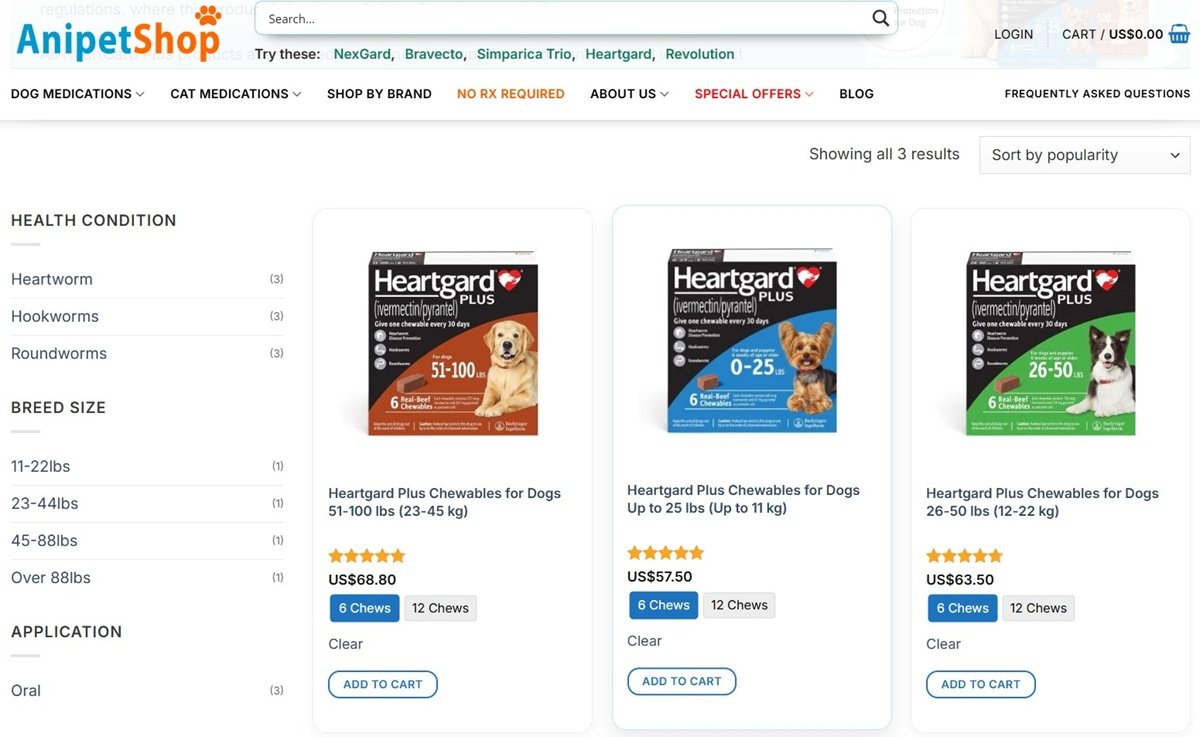
Dogs weighing more than 100 lbs require an appropriate combination of chewables.
- Encourage your dog to chew: To reduce the risk of choking or intestinal obstruction, administer the chew in a way that encourages chewing rather than swallowing it whole.
- Make sure your dog consumes the entire dose: The chew can also be given with a small amount of dog food, but you should make sure the complete dose is eaten at one time.
- Observe your dog briefly after administration: The label recommends watching treated animals for a few minutes to make sure part of the dose has not been lost or rejected. If part of the dose may have been lost, redosing is recommended.
- Have your dog tested for heartworm infection before starting treatment: Heartgard Plus is not effective against adult heartworms.
- Give the medication on schedule: Heartgard Plus should be given monthly, and delays beyond the recommended interval can reduce ivermectin’s effectiveness.
What should you do if your dog experiences a reaction?
If your dog develops unusual symptoms after taking Heartgard Plus, monitor the reaction closely and consider how severe the symptoms are.
- Monitor mild digestive symptoms: Watch for vomiting or diarrhea and note whether the symptoms improve or continue.
- Watch for behavioral or neurological changes: Pay attention to unusual tiredness, tremors, loss of coordination, or seizures.
- Check for swallowing problems: Choking or signs that may suggest an intestinal obstruction require prompt veterinary attention.
- Contact your veterinarian if symptoms are persistent or severe: Your veterinarian can help determine whether the reaction may be related to the medication and whether further treatment is needed.
- Report suspected adverse events: The product label provides contact information for reporting suspected adverse drug events to the manufacturer or the FDA.
When should you contact your veterinarian right away?
Contact your veterinarian promptly if your dog develops severe or concerning symptoms after taking Heartgard Plus.
Pay particular attention to:
- Seizures
- Loss of coordination or difficulty walking
- Persistent muscle tremors
- Choking or difficulty swallowing
- Signs that may suggest intestinal obstruction
- Persistent or worsening vomiting or diarrhea
- Severe lethargy or refusal to eat
The product label specifically lists seizures, ataxia, muscle tremors, vomiting, diarrhea, lethargy, and anorexia among reported adverse events and notes that choking or intestinal obstruction has occurred in some cases.
FAQs
Are Heartgard Plus side effects common in dogs?
In clinical field trials, vomiting or diarrhea within 24 hours of dosing was observed in 1.1% of administered doses. The label also lists other adverse events from post-approval reports, but it does not provide a reliable frequency for those reactions.
Can Heartgard Plus cause neurological side effects in dogs?
Yes. Seizures, ataxia, and muscle tremors are listed among adverse events reported during post-approval experience.
Is Heartgard Plus safe for Collies?
The product label states that some Collies are more sensitive to ivermectin at elevated doses. However, studies and bioequivalency data cited in the label support the safety of Heartgard products in dogs, including Collies, when used as recommended.
Is Heartgard Plus safe for pregnant or breeding female dogs?
According to the product label, Heartgard Plus has shown a wide margin of safety at the recommended dose in pregnant or breeding bitches and stud dogs.
What should I do if my dog vomits after taking Heartgard Plus?
Monitor your dog closely and contact your veterinarian if vomiting persists, worsens, or occurs alongside other concerning symptoms. Vomiting is one of the adverse reactions observed in clinical trials and reported during post-approval experience.
Can I give Heartgard Plus with food?
Yes. The product label states that the chewable may be added intact to a small amount of dog food to encourage chewing, provided that the dog consumes the complete dose at one time.
Heartgard Plus side effects are generally centered around digestive signs such as vomiting and diarrhea, with vomiting or diarrhea observed within 24 hours in 1.1% of administered doses during clinical field trials. Post-approval reports also include lethargy, anorexia, seizures, ataxia, muscle tremors, hypersalivation, and itching, although the available reporting data cannot reliably determine how frequently these events occur or whether every reported event was caused by the product. Using the correct weight-based dose, making sure your dog chews and consumes the entire chewable, and monitoring for unusual symptoms are practical steps that can help support safe use.

Anipet Team
Anipet Team is dedicated to sharing reliable information about pet health, veterinary care, and animal wellbeing. Our content is researched and reviewed by veterinary professionals to provide pet owners with trusted, practical information for caring for their pets.